
Fire Damage Checklist
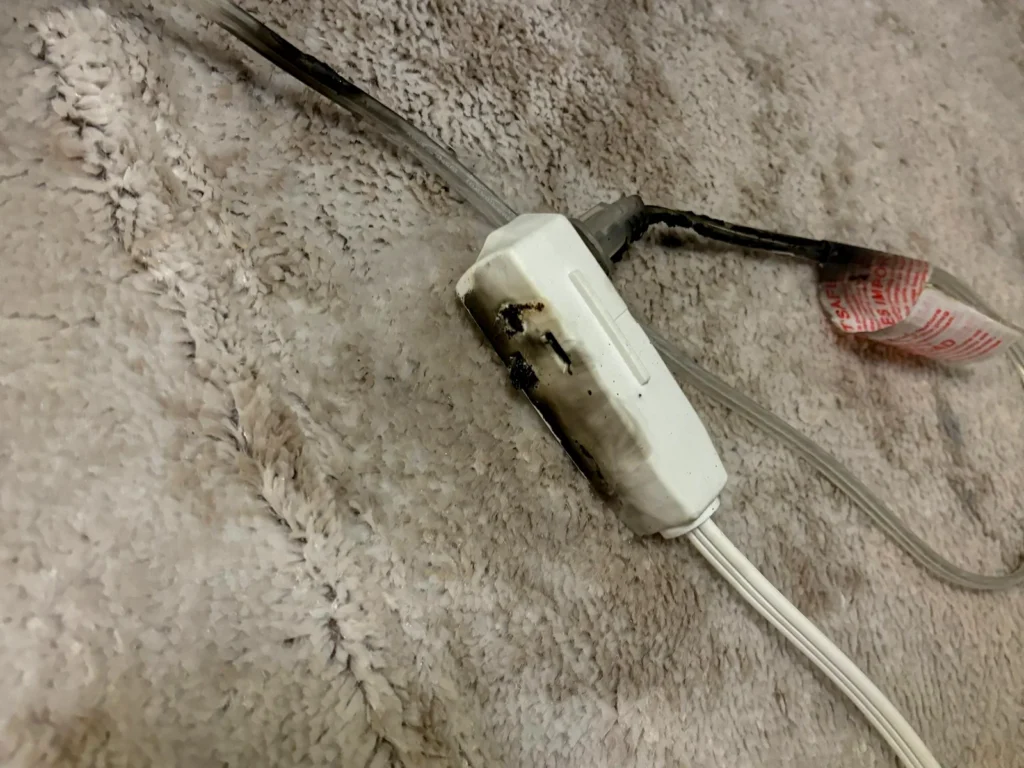
After the fire is extinguished and emergency responders have left, the priorities are safety, preventing further damage, documenting losses, and beginning the recovery process.
Here’s a checklist to walk you through the process:
Wait until the property is safe to enter. You should only re-enter your home or office building when the professionals have done their job and tell you it’s safe. If they say it isn’t safe, believe them! They may be aware of structural damages or unstable ceilings issues you can’t see, not to mention electrical hazards or gas leaks or contaminated air that are invisible to you.
Contact First In Restoration to assess the problem. A trained professional can help you take the steps that will help you get through the insurance process faster and more efficiently. You’ll want the voice of experience that First In Restoration offers to walk alongside you.
Avoid touching soot or damaged material. Be careful where you step and what you touch. Soot and smoke residue can spread easily and could stain surfaces. It is important to avoid handling affected items – even precious keepsakes – until the damage can be assessed.
Document all damage. Use your smartphone to document the damage. Shoot video of each room that has been affected, slowly panning through the scene as you walk along. Take as many cellphone photos as you need to show every item that has been damaged. You’ll want to conduct a room-by-room inventory of the damage and photo and video evidence will help in your case to get them replaced.
Notify your insurance company. When things have settled down, report the loss as soon as possible. This is where First In Restoration can be very helpful. The professional technicians can help partner with your insurance company to ensure that you get the most settlement that is possible.
Arrange professional restoration and cleanup. First In Restoration can test for hazardous chemicals (asbestos, lead, chemicals) that may have been unleashed or revealed during the fire. You will want fire damage restoration professionals to assess and clean the property and set up a plan to get you back into your home or business.
Grab all your important belongings. When the area is safe and you get the proper approval, retrieve your important documents, medications, valuables and electronics. If needed, you might want to rent a storage unit and keep them in a clean, dry location.
Don’t forget to document your expenses. Life goes on, but you’ll need to keep receipts so you can be reimbursed. Keep a file of all communications, invoices, estimates, receipts, and claim-related documents throughout the restoration process.