The Dangers of Mold in HVAC Systems
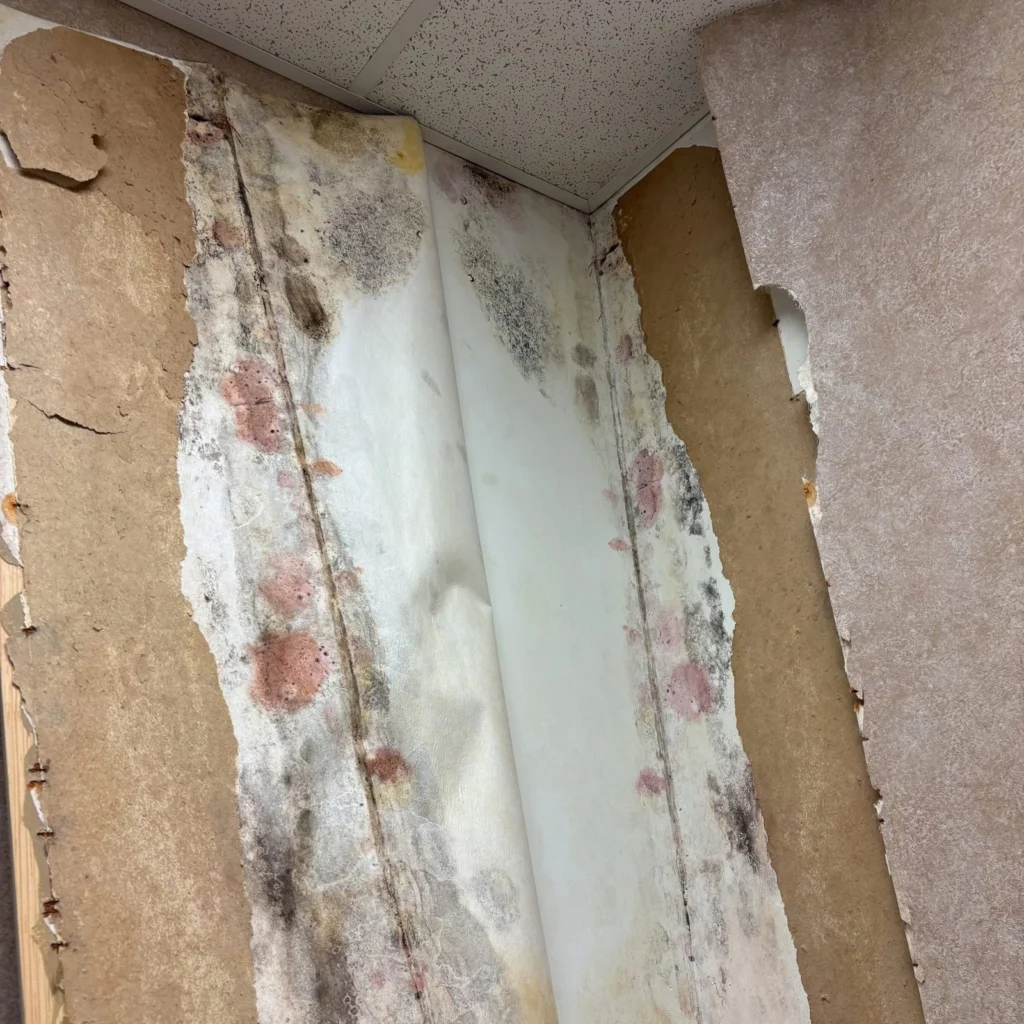
Generally you think of mold as being weird spots on drywall or a musty smell in your bathroom. But mold can hide in places out of your sight like inside your home’s HVAC system which silently spreads mold spores throughout your vents.
Mold Loves HVAC Systems
HVAC units are the perfect places for mold families to form. Mold loves dark and moist spaces. Condensation from HVAC coils and HVAC ducts mix together with dust that has buil up creating the perfect coughing cocktail. Once it forms in your HVAC system, it will spread quickly through your home and into the air you and your family breathe.
Mold Health Risks
Mold spores can cause tons of health problems, especially for folks with allergies, asthma and compromised immune systems. Mold from HVAC systems can cause symptoms such as coughing, sneezing, headaches, fatigue, as well as chronic respiratory problems. Since it came from mold in your HVAC system that means you are breathing it in every day without realizing it.
How Do I Know if My HVAC Has Mold?
- Do you smell something musty or sour when your HVAC system turns on and runs?
- Do you see mold around vents or air returns?
- Have you noticed allergy or asthma symptoms while indoors?
- Do you see a lot of dust or moisture around your unit?
Don’t Try DIY
Mold in your HVAC system is not a project for someone that’s not a professional — a handyman or spraying bleach won’t cut it. To remediate mold in your HVAC takes a company with specialized training, testing, equipment as well as containment methods to safely clean and restore your infected HVAC system. At First In Restoration, we’re IICRC certified and experienced to tackle mold issues.
Call the Best in Georgia — First In Restoration
If you think you have mold in your HVAC system, do not delay. Call the number one water damage and mold remediation company in Georgia. First In Restoration is IICRC certified, offers 24/7 emergency service and handles everything from cleanup to full reconstruction. We’re based in Loganville but serve all surrounding areas in Georgia. Call now: 470-748-0225, www.firstinrestoration.com
Can Water Damage Really Make Me Sick?
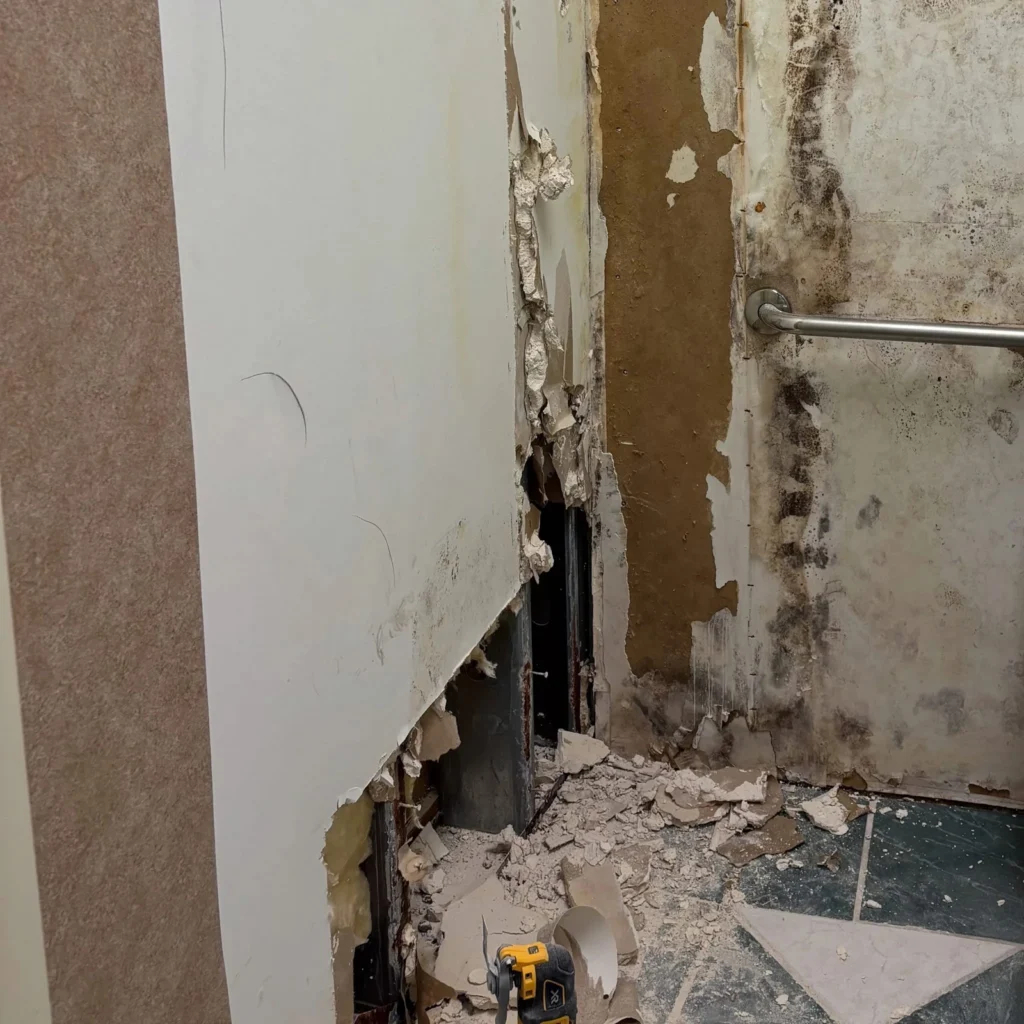
Water damage is more than just an inconvenience; it can pose serious health risks to you and your family. Mold thrives in damp environments and is a common consequence of water damage. Unfortunately, mold isn’t just ugly and smelly, it can seriously affect your health.
The Hidden Danger of Mold and Water Damage
If water leaks into areas like basements, walls or ceilings and isn’t properly addressed that invites mold to grow in as little as 24 to 48 hours. Exposure to mold spores can trigger a wide range of health problems. If you or a family member suffers from asthma, allergies or other respiratory conditions, mold exposure can make these conditions much worse. Children, the elderly, and even pets are specifically vulnerable to the harmful effects of mold.
The Vulnerable: How Mold Affects the Elderly, Kids, and Pets
Elderly: Unfortunately as we age, our immune systems weaken, making it harder to fight off infections or harmful substances. Mold exposure can trigger respiratory issues and worsen existing lung conditions like COPD (Chronic Obstructive Pulmonary Disease), as well as increase the risk of severe asthma attacks. Sometimes the long-term effects of mold exposure can lead to chronic respiratory issues or infections that require serious medical attention (this could happen to anyone with a weakened immune system, not just the elderly).
Children: Children’s immune systems and respiratory systems are still developing, which makes them particularly sensitive to mold exposure. Mold can worsen asthma and cause frequent coughing, wheezing and nasal congestion. In children who are already prone to allergies, mold can trigger reactions such as rashes, itchy eyes as well as sinus infections and other issues. Studies have also shown that children who are exposed to mold for long periods may be at an increased risk for developing asthma in the future.
Pets: Pets, particularly those that are older, or with existing health conditions or allergies, can also suffer from mold exposure. Like humans, pets can develop respiratory issues, skin irritation, or digestive problems when exposed to mold. Cats and dogs are more likely to show signs of mold allergies through coughing, sneezing, or wheezing and their constant movement around the home can increase their exposure.
The Serious Health Risks: Asthma, Respiratory Issues and More
Asthma is one of the most common conditions exacerbated by mold exposure. Whether you already have asthma or are genetically predisposed to it, mold can trigger asthma attacks and worsen symptoms. This can lead to:
- Increased frequency and severity of asthma attacks
- Shortness of breath
- Chest tightness
- Chronic coughing
- Wheezing
- Difficulty breathing
Beyond asthma, mold exposure can also cause other severe health issues, such as:
- Chronic sinusitis and sinus infections
- Nasal congestion and frequent sneezing
- Headaches, dizziness and fatigue
- Skin rashes or irritation
For individuals with weakened immune systems, mold can lead to more severe infections and long-term health problems.
What to Do if You Suspect Mold from Water Damage
If you’ve experienced water damage in your home, it’s critical to address mold growth as quickly as possible.
First In Restoration Can Help
If you’ve experienced water damage and suspect mold growth, don’t wait for the health issues to worsen. First In Restoration specializes in mold remediation, ensuring your home is safe and your family’s health is protected.
Our IICRC-certified team can remove mold safely and quickly, addressing the root cause of the problem to prevent future issues.
Call First In Restoration at 470-748-0225 or visit www.firstinrestoration.com for an inspection and mold removal services. Keep your home safe, clean and mold-free to protect your family’s health!
Myth or Fact? “Water Damage Dries Out on Its Own”
Have you ever spilled something in your home and thought, “It’ll just dry out on its own”? Well, that might be true for a minor spill like if you knock over a cup of water, but serious water damage doesn’t just go away—and if you believe otherwise, it can lead to costly repairs and health hazards.
Why Water Damage Won’t Just Go Away
Water acts fast. When water seeps into floors and walls it doesn’t just evaporate. Instead, it gets absorbed into porous and organic materials like drywall, insulation and wood. You always have to properly dry and dehumidify your space, otherwise that trapped moisture creates the perfect breeding ground for mold, structural damage hazardous air quality issues. If you are a senior citizen this is especially important because it can quickly cause health problems.
The Hidden Dangers of Untreated Water Damage
- Mold Growth – Mold begins to grow very quickly. It can begin in as little as 24-48 hours in moist conditions. After it spreads, it will trigger allergies and respiratory issues. Mold remediation is costly so don’t wait for it to turn into mold.
- Structural Weakness – Water weakens wood framing, it will warp floors and it turns drywall to mush. Over time this will cause rot as well as dangerous conditions for your home’s framing structure.
- Electrical Hazards – If water reaches electrical wiring, outlets or appliances, it can increase the risk of short circuits, power failure and it can even cause a fire.
How to Handle Water Damage the Right Way
Instead of waiting for any moisture to “dry out on its own,” you need to take action and immediately call First In Restoration for professional water extraction and drying. At First In Restoration, we use advanced equipment to fully remove moisture, prevent mold growth and we will restore your property to its pre-damaged condition.
Don’t wait for a small leak to turn into a big problem! If you’re dealing with water damage, call First In Restoration at 470-748-0225 or visit www.firstinrestoration.com for 24/7 emergency service.
The Dangers of Mold in Georgia: Do I Need Mold Testing?
Mold is more than just ugly—it’s a serious health hazard that can spread quickly in your home or business. Whether caused by water damage, excess Georgia humidity or just poor ventilation, mold growth needs to be addressed immediately. First In Restoration, specializes in professional mold testing and mold removal in Georgia. We want to keep your home and family safe. Here’s what you need to know about the different types of mold and the dangers they can pose.
Common Types of Mold Found in Georgia Homes
Mold thrives in Georgia’s warm and humid climate making it a very common issue for homeowners. Here are typical types of mold found in homes across our state:
1. Stachybotrys (Toxic Black Mold)
- Appearance: Dark green or black, slimy texture
- Where It Grows: Damp areas, like basements, attics and walls with water damage
- Health Risks: Produces mycotoxins that can cause respiratory problems, fatigue, headaches and severe allergic reactions
2. Aspergillus (Toxic)
- Appearance: Yellow, green, white, or black
- Where It Grows: HVAC systems, insulation and damp walls
- Health Risks: Can cause allergic reactions, lung infections and exacerbate asthma symptoms
3. Cladosporium
- Appearance: Black or olive-green, with a suede-like texture
- Where It Grows: Wood, carpets and fabrics
- Health Risks: Can trigger allergies, sinus infections and worsen asthma
4. Penicillium
- Appearance: Blue or green, fuzzy texture
- Where It Grows: Water-damaged walls, insulation and carpets
- Health Risks: Can cause respiratory issues, allergic reactions and sinus infections
5. Alternaria
- Appearance: Dark green or brown, velvety texture
- Where It Grows: Showers, bathtubs, and sinks
- Health Risks: Triggers allergic reactions, hay fever and can cause asthma attacks
Why Georgia Homes Are at Risk for Mold Growth
Georgia has frequent thunderstorms, very high humidity and occasional tropical storms and hurricanes, because of this the homes are constantly exposed to high moisture readings. Areas like Gwinnett County, Loganville and surrounding areas are very vulnerable to mold growth after heavy rains and flooding. Even condensation buildup is the perfect environment for mold to have a party and invite its friends.
Health Risks Associated with Mold Exposure
Mold exposure affects people differently, some have a very high sensitivity and others minor, but any prolonged contact with mold can lead to very serious health problems for anyone, including:
- Respiratory Issues: Chronic coughing, wheezing and difficulty breathing
- Allergic Reactions: Sneezing, runny nose, itchy eyes and skin rashes
- Sinus Infections: Headaches, congestion and sinus pressure
- Asthma Aggravation: Increased asthma attacks and worsened symptoms
- Neurological Issues: Fatigue, dizziness and memory problems (in cases of prolonged exposure to toxic mold)
Do I Need Mold Testing? Do I Need Mold Removal? Can I Do It Myself?
Attempting to remove mold on your own can be dangerous and ineffective. Here’s why hiring a professional like First In Restoration is essential for mold testing and mold removal in Georgia:
Proper Identification: We identify the specific type of mold you have and we assess the severity of the infestation. We provide air testing and send it off the a laboratory for verification.
Safe Removal: We use specialized equipment to remove and contain mold without spreading spores into the air and throughout your home.
Thorough Cleaning: Our team eliminates mold from surfaces and treats affected areas to prevent mold regrowth.
Moisture Control: We find the issue and fix the source of water or moisture that caused the mold in the first place.
Air Quality Improvement: We use industrial HEPA filtration to remove airborne mold spores and improve indoor air quality. Once we are done with your space, we retest your air and resend to the laboratory for final approval of mold removal.
Call First In Restoration for Expert Mold Testing and Mold Removal in Georgia
Mold is not just a nuisance—it’s a serious health risk that requires professional intervention. If you suspect mold growth in your home, don’t wait! Call First In Restoration, the top water restoration company in Loganville and Gwinnett County, today for a thorough inspection, air quality test and safe mold removal.
470-748-0225, www.firstinrestoration.com
Professional Mold Removal Done Right: Trust First In Restoration for a Safe and Healthy Home
If you ever thought, “What’s that musty smell,” then there’s a good chance you have mold growing in your house or business.
Mold is a normal occurrence especially in Georgia due to the humid climate. Mold grows any time there is moisture, such as around leaky pipes, windows and roofs. Mold can grow on ceiling tiles and wood, wallpaper and paint, even drywall, carpet and fabrics. Mold grows quickly and spreads fast. According to the CDC, mold is “A fungal growth that forms and spreads on various kinds of damp or decaying organic matter.”
Mold can survive both indoors and outdoors. Outdoor mold can show up on fallen leaves or wet pine straw. Ever notice how the weather man reports on high levels of pollen, grass and mold?
Allergy sufferers can experience mold allergies both outside and inside.
Interior mold is caused by moisture. That’s why if you see a leak or experience a flood, it’s important to call First In Restoration immediately before the mold sets in (and it sets in quickly).
We often get asked, “Is this the dangerous type of mold?” When in actuality all molds have the potential to be dangerous, as all molds can produce mycotoxins. Mold is not good for your health (or your pets), especially if you have allergies or suffer from asthma.
Mold is unavoidable, but there are ways to reduce the chance of growth in your residential or commercial space.
How Long Does it Take for Mold to Grow?
As we mentioned, mold grows very quickly. Within 48-72 hours of excessive exposure to moisture after a flood or a leaking pipe the mold can begin to grow and spread.
How Do I Remove Mold from Walls
We understand how frightening and frustrating it can be to find mold in your home. We recommend calling First In Restoration right away for mold remediation. Mold spreads easily and is airborne (and not something you can see with your naked eye most of the time) so it is impossible for a non-trained technician to remove everything.
Can I Use Bleach to Remove Mold?
The short answer is no. Not only is bleach extremely bad for your lung health, it does not kill mold spores and in fact can create the mold to grow. Bleach is great for killing mildew but it is not recommended for mold. First In Restoration uses natural product and is trained to properly remove mold and then perform an air quality test. We encourage home owners to practice preventative care to avoid mold but to call us once they find mold for proper mold removal.
How Do I Avoid Mold Growth
Concerned about mold growth?
- Fix the leaks in your home such as issues with plumbing or your roof.
- Keep your humidity level low (dehumidifiers are encouraged, especially in unconditioned spaces like unfinished basements or garages).
- Keep your bathrooms cleaned – this is a huge breeding ground for mold growth and bacteria.
- Use exhaust fans in your bathroom as you shower to get rid of extra moisture floating in the space.
- If you experience a flood in your home that causes water damage (from anything ranging in a flood from a broken pipe, sump pump failure that floods your basement or foundation leak from hydrostatic pressure, etc) do not wait to call First In Restoration immediately.
First In Restoration is the best water damage cleanup and restoration service in Gwinnett County. First In Restoration is certified and trained to perform mold removal and mold remediation and serves Georgia.
How does First In Restoration Remove Mold?
We begin by inspecting and assessing the damage. We use our industrial technology and machines to detect and locate all hidden moisture that you may not even see. We contain the mold so it does not spread as it is removed. HEPA vacuums and commercial air scrubbers are used to prevent the spread of mold spores during remediation. We remove mold infested items such as drywall, carpet, books, anything where we detect moisture and mold. From there we clean and sanitize everything to remove mold and remove odor. After the air quality test comes back clean we continue restoring your space. We reconstruct your space putting back new, fresh drywall, flooring and make sure your property is back to it’s pre-damaged condition.
Will My Insurance Cover Mold Removal?
Honestly, this just depends on your insurance policy. We are happy to help you navigate a claim but if it’s not covered we do take credit cards and provide financing. Mold is a serious matter and needs to be removed no matter what.
First In Restoration is Here for Your Mold Cleanup
Mold is a huge problem for your home and health. First In Restoration is available 24/7 for your mold remediation needs. First In Restoration is certified and trained to help you in your mold damage emergency including air quality test, mold assessment, mold remediation and mold restoration. Call First In Restoration today to help with your mold remediation in Georgia. 470-748-0225, www.firstinrestoration.com.